Second-hand Smoke Font for Whimsical, Professional Branding
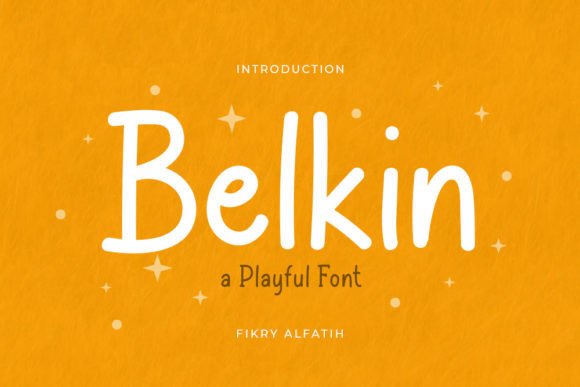
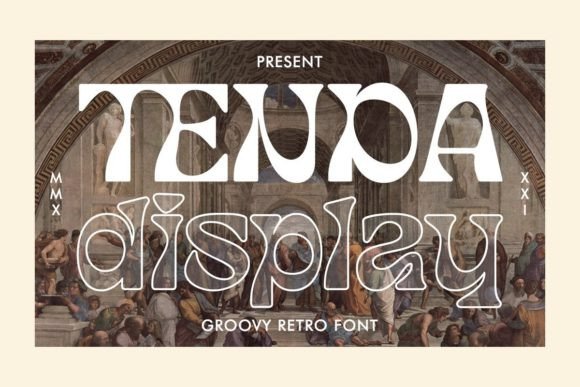
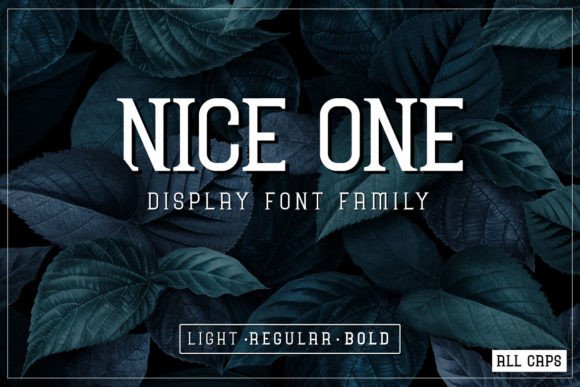
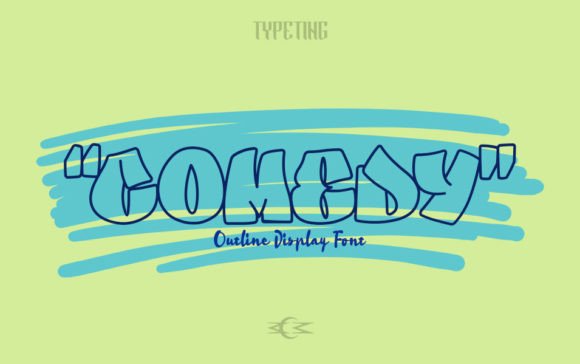
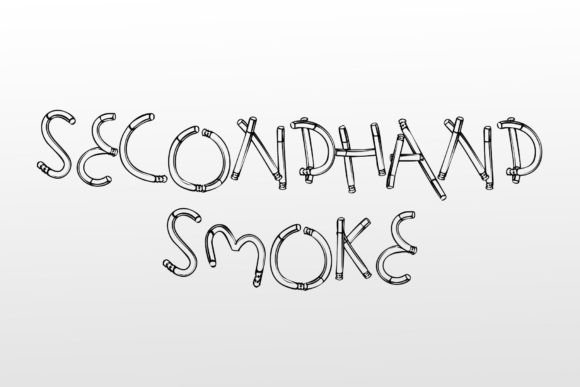
As a small business owner who’s designed everything from candle labels to café menus myself, I know how much a single display font can shape how customers perceive your brand — before they even read a word. Second-hand Smoke is a fun and whimsical display font. A little bit quirky, this font looks incredibly adept in a wide variety of contexts — and that versatility is exactly why it’s become my go-to for projects where charm, clarity, and consistency matter most.
Second-hand Smoke for Handmade Product Labels and Packaging Design
When you’re selling handmade soaps, ceramic mugs, or small-batch preserves, your product label is often the first physical touchpoint with a customer. Second-hand Smoke adds instant character without sacrificing legibility — especially at 14–18 pt on jar tags or folded boxes. Its playful curves and gentle irregularity give artisanal goods warmth and authenticity. Because it’s a display font, it shines best as a headline or brand name (think “Honey & Thyme” stamped across a linen tea bag tag), while pairing beautifully with a clean sans serif like Inter or Montserrat for ingredients or origin details. Just remember: always verify the fonts license covers commercial packaging use — many creators overlook this until they’re prepping for wholesale.
Second-hand Smoke for Café Menus and Local Business Signage
If you run a neighborhood café, bakery, or flower shop, your menu board or chalkboard sign needs to feel inviting — not corporate. Second-hand Smoke delivers that friendly, slightly nostalgic vibe that makes people pause and smile. It works exceptionally well for section headers (“Today’s Specials,” “Seasonal Sips”) or featured item names (“Lavender Honey Latte”). As a display font, it’s bold enough to catch the eye from across the room but soft enough to avoid visual fatigue. For printed menus or laminated counter cards, test print at actual size — its open letterforms hold up well even on lower-DPI thermal printers or small-format inkjet labels.
Second-hand Smoke for Instagram Posts and Social Media Graphics
Your Instagram feed is your digital storefront — and scroll-stopping visuals start with smart typography. Second-hand Smoke stands out in crowded feeds because it’s expressive but never chaotic. Use it for quote graphics (“Slow down. Breathe. Bloom.”), limited-time offer banners, or new product launch teasers. Since it’s a display font, reserve it for headlines only — keep body text in a highly readable sans serif to maintain accessibility and fast comprehension. Bonus: its light bounce and subtle asymmetry translate beautifully to animated Reels text overlays, especially when paired with muted pastel backgrounds or natural textures.
Second-hand Smoke for Wedding Invitations and Elegant Branding
Even if you’re not a wedding vendor, clients often ask for elevated, tactile design — and Second-hand Smoke answers that need with quiet confidence. It’s whimsical without being childish, elegant without feeling stiff. Pair it with a refined serif like Playfair Display for names and dates, then use Second-hand Smoke for decorative accents like “&” symbols, floral dividers, or monogrammed initials. As one of the more distinctive fonts in the display category, it helps boutique stationers, calligraphers, and event planners signal craftsmanship and attention to detail — all before the envelope is opened.
Second-hand Smoke for Boutique Logos and Shopfront Signs
Your logo lives everywhere: on your door, your website header, your receipt tape, your Instagram bio. That’s why choosing a display font like Second-hand Smoke demands intention. It’s ideal for boutique names with personality — “The Curious Cupboard,” “Stitch & Sparrow,” “Moon & Moss.” Its quirky rhythm gives logos memorability, while its generous x-height ensures it scales cleanly from 3-inch embroidery to 6-foot awnings. Pro tip: test your logo in black-and-white first. If Second-hand Smoke holds its shape and voice without color, you’ve got a strong foundation.
Second-hand Smoke for Thank-You Cards and Customer-Facing Print Materials
In an age of digital transactions, a handwritten-style thank-you note feels like a luxury — and Second-hand Smoke brings that same sincerity to printed materials. Use it for the greeting (“Dear Maya,” “Thanks for trusting us!”) on postcards, gift tags, or branded stationery. Because it’s a display font, not a script font, it avoids the “too casual” trap — maintaining polish while still feeling human. When printing on textured paper or kraft cardstock, its slight irregularity enhances the tactile experience, reinforcing your brand’s authenticity and care.
How to Pair Second-hand Smoke With Other Fonts for Balanced Brand Identity
No display font works alone — and Second-hand Smoke thrives when grounded by contrast. Try pairing it with a neutral sans serif (like Poppins or Lato) for web copy, email newsletters, or product descriptions. For print-heavy businesses (like bookshops or apothecaries), pair it with a warm serif (Cormorant Garamond or Merriweather) to add literary depth. Avoid stacking multiple decorative fonts — Second-hand Smoke is expressive enough to carry the visual weight on its own. And always preview pairings in real context: paste them into your Shopify theme editor or mock up a sticker in Canva before finalizing.
Testing Second-hand Smoke Before Full Brand Rollout
Before committing Second-hand Smoke across your entire brand system, run three quick tests: (1) Print a sample label at actual size and hold it at arm’s length — does the name pop? (2) Post a social graphic using it and ask five customers what emotion or vibe it conveys. (3) Load it on your mobile site and check readability on both iOS and Android. These low-effort checks prevent costly redesigns later. And yes — confirm your fonts license allows web embedding, PDF creation, and resale on physical goods. Most reputable vendors clearly list usage rights; if yours doesn’t, reach out before downloading.